a cliffside trek and the music that followed
My wife, Vivian is a cultural anthropologist and museologist with a PhD in Applied Anthropology from the University of South Florida. Her dissertation research focused on heritage and tourism at two sights in the United Kingdom. One of these sight was Tintagel in the county of Cornwall. Among other things, Tintagel is home to the ruins of a medieval castle which sits high atop the cliffs overlooking the Atlantic coast. An English Heritage sight complete with a tiny museum and gift shop, Tintagel castle is the rumored birthplace of the infamous King Arthur.
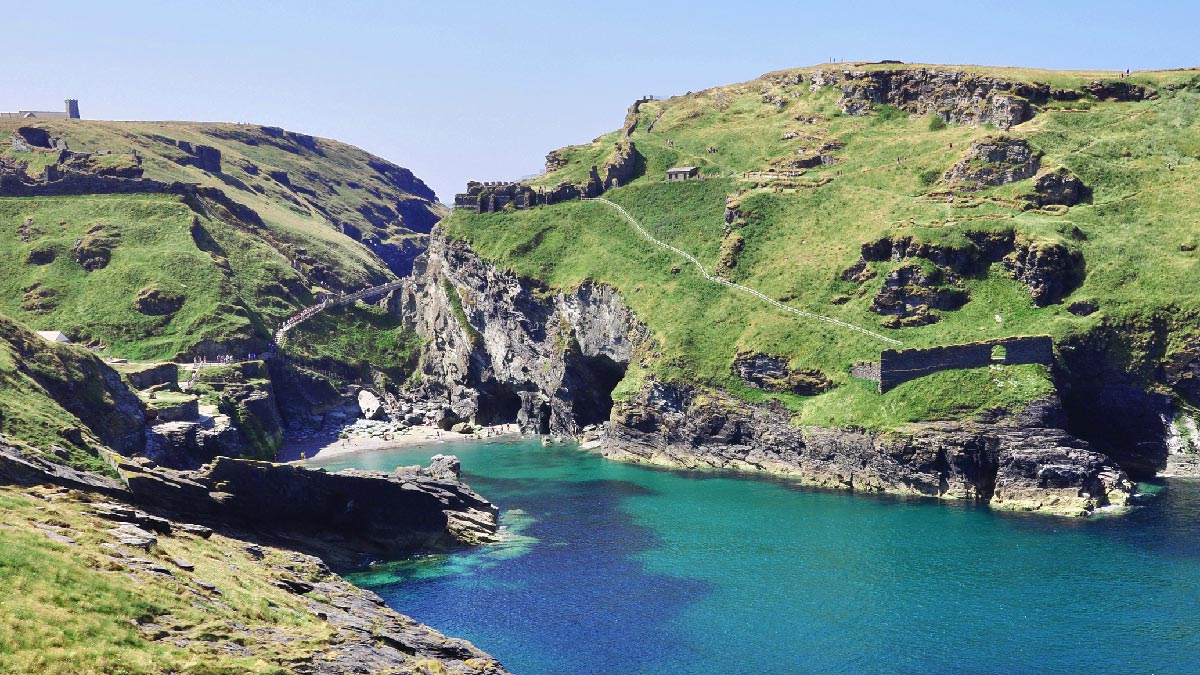
As Vivian spent several weeks “across the pond” conducting her research, I took every opportunity I could to fly over and experience things with her. One day, while she was observing tourists visiting the castle, I decided to embark on a hike along the cliffs near where we were staying. The Cornish coastline is covered in hiking trails, and the views are second to none.
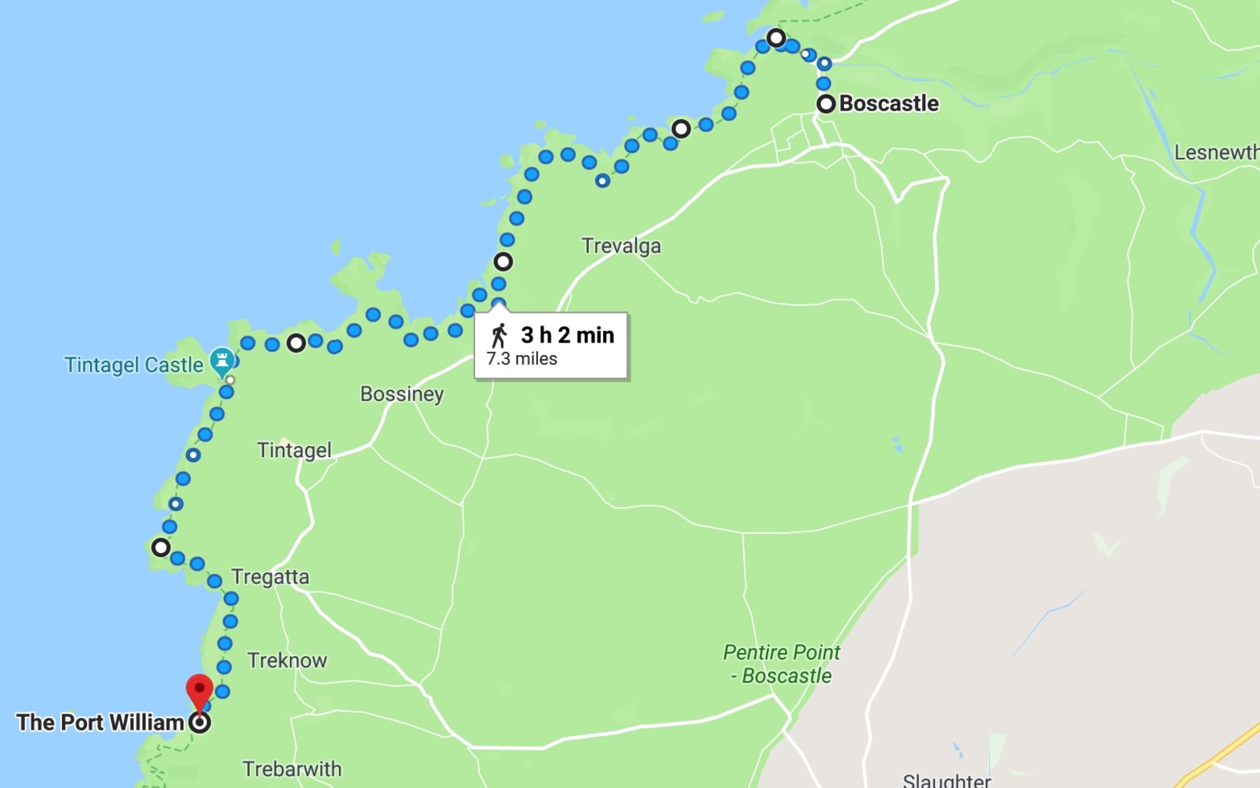
Before going to Tintagel that morning, Vivian dropped me off just a few kilometers away in the fishing port of Boscastle where we visited a few days prior for lunch and the most delicious blackcurrant Cornish ice cream. The plan was for me to make the ~7 mile hike, and meet up with her in a few hours for lunch at the Port William Tavern in Trebarwith which lies just over the hill from Tintagel. They have the best fish-and-chips I’ve ever had (and I’ve had several).
It was a beautifully sunny day, quite hot, and the terrain was bit more extreme than I had anticipated. I ignorantly expected the path to be relatively flat and even, but it twisted and climbed over hills, across open fields, and through rocky valleys. The “walk” definitely requires a bit of stamina, but the scenery is absolutely worth it.
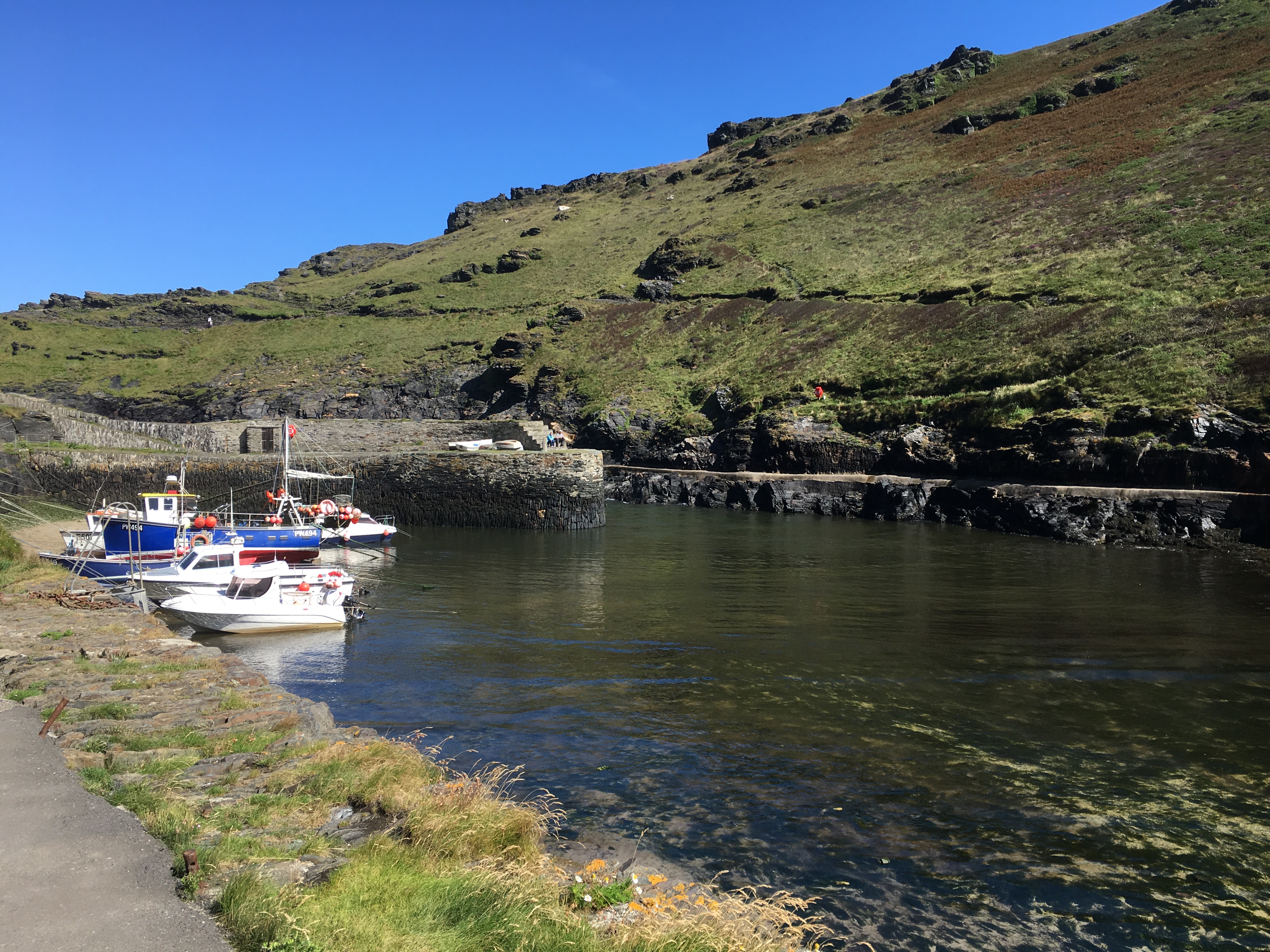
Boscastle Port 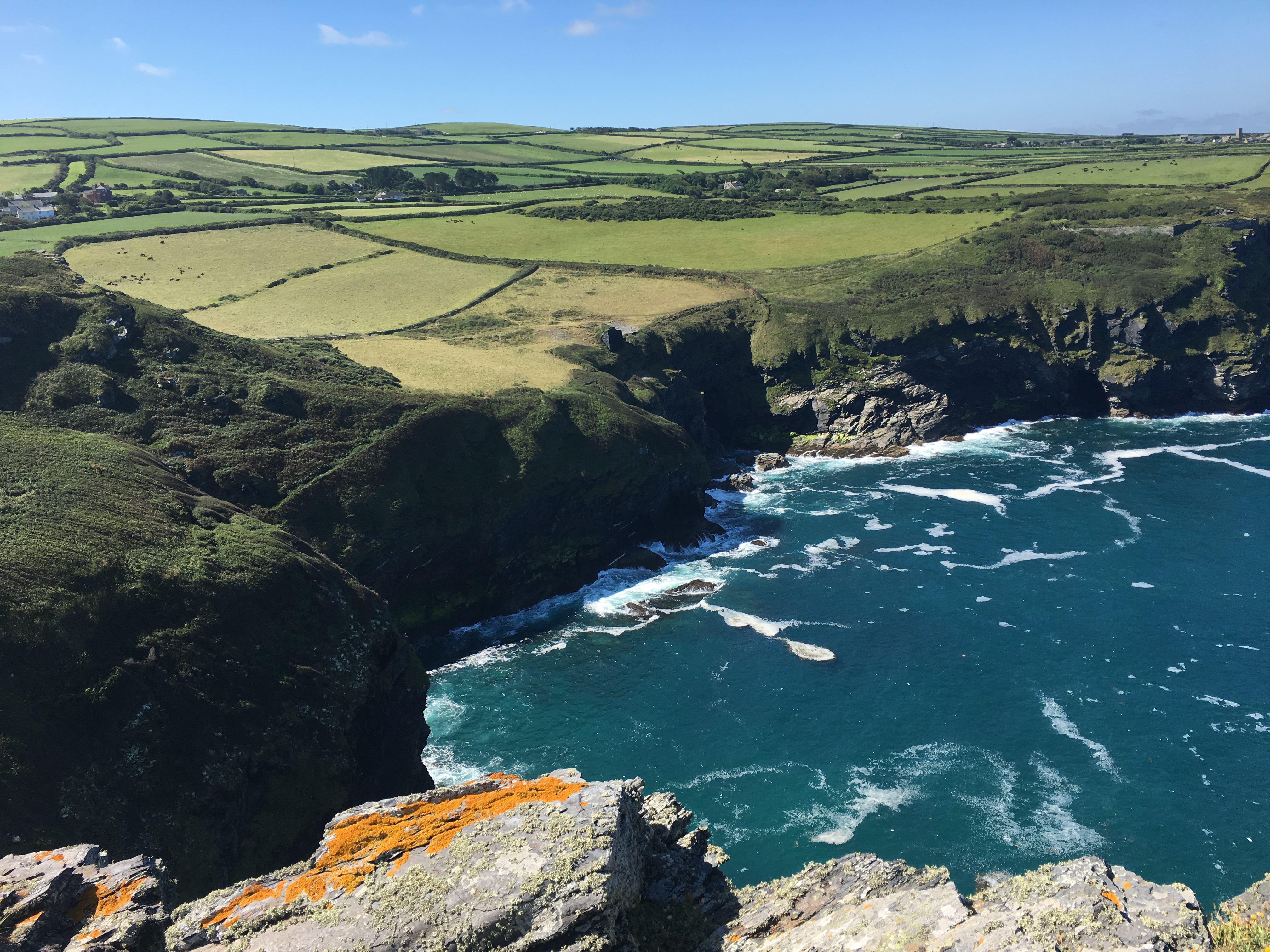
Overlooking the walk 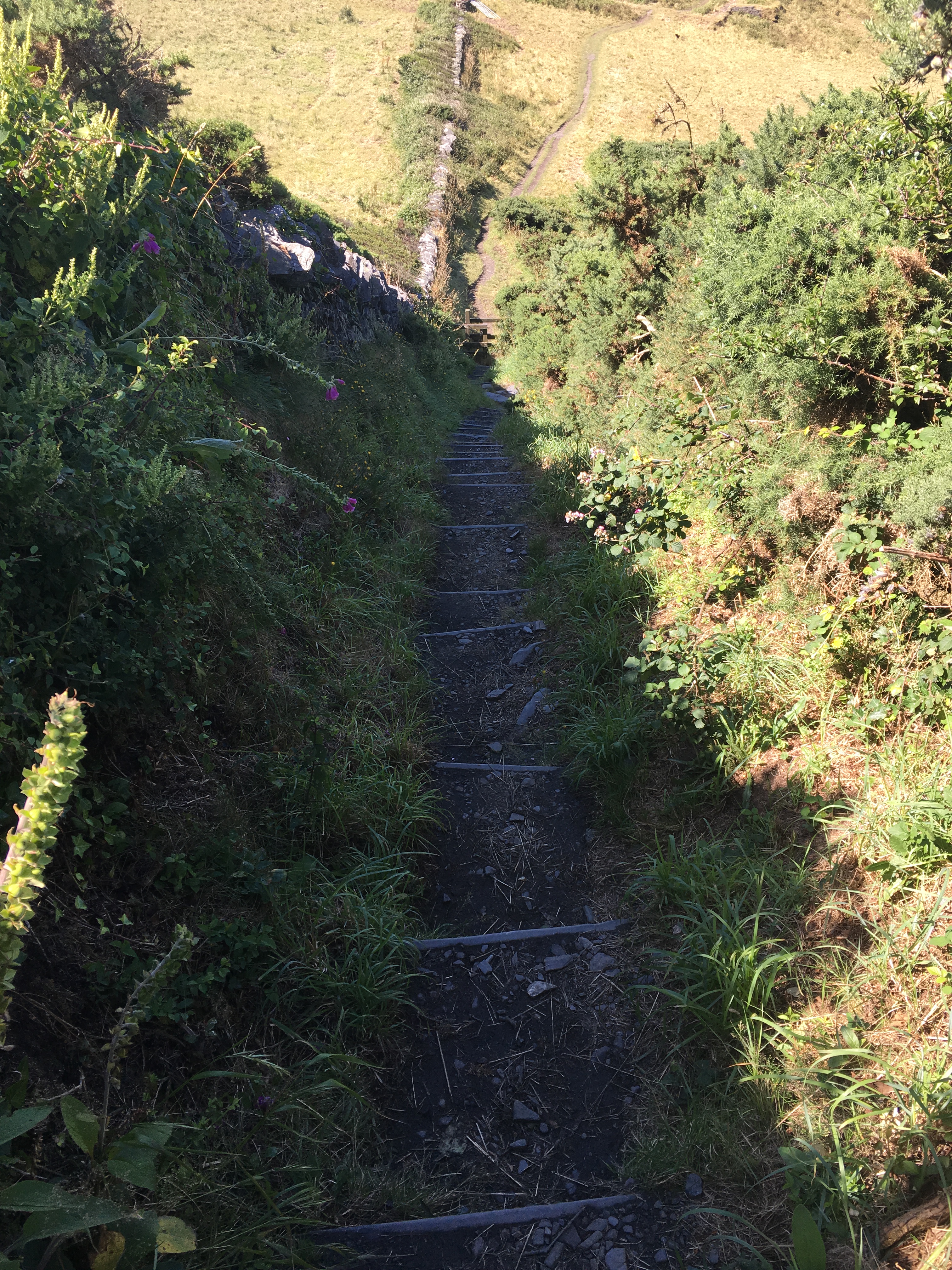
Steep descent 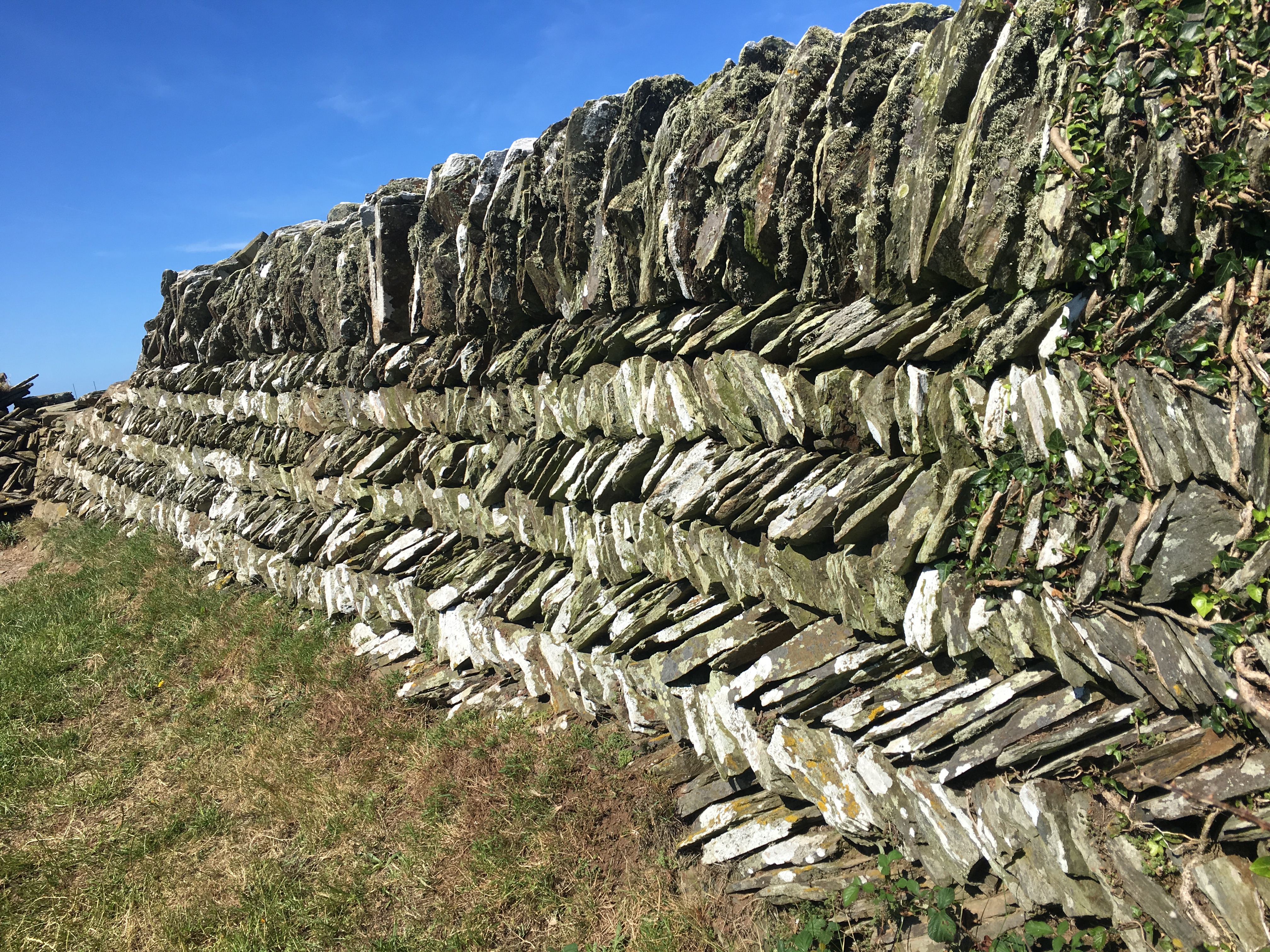
Cornish stone wall 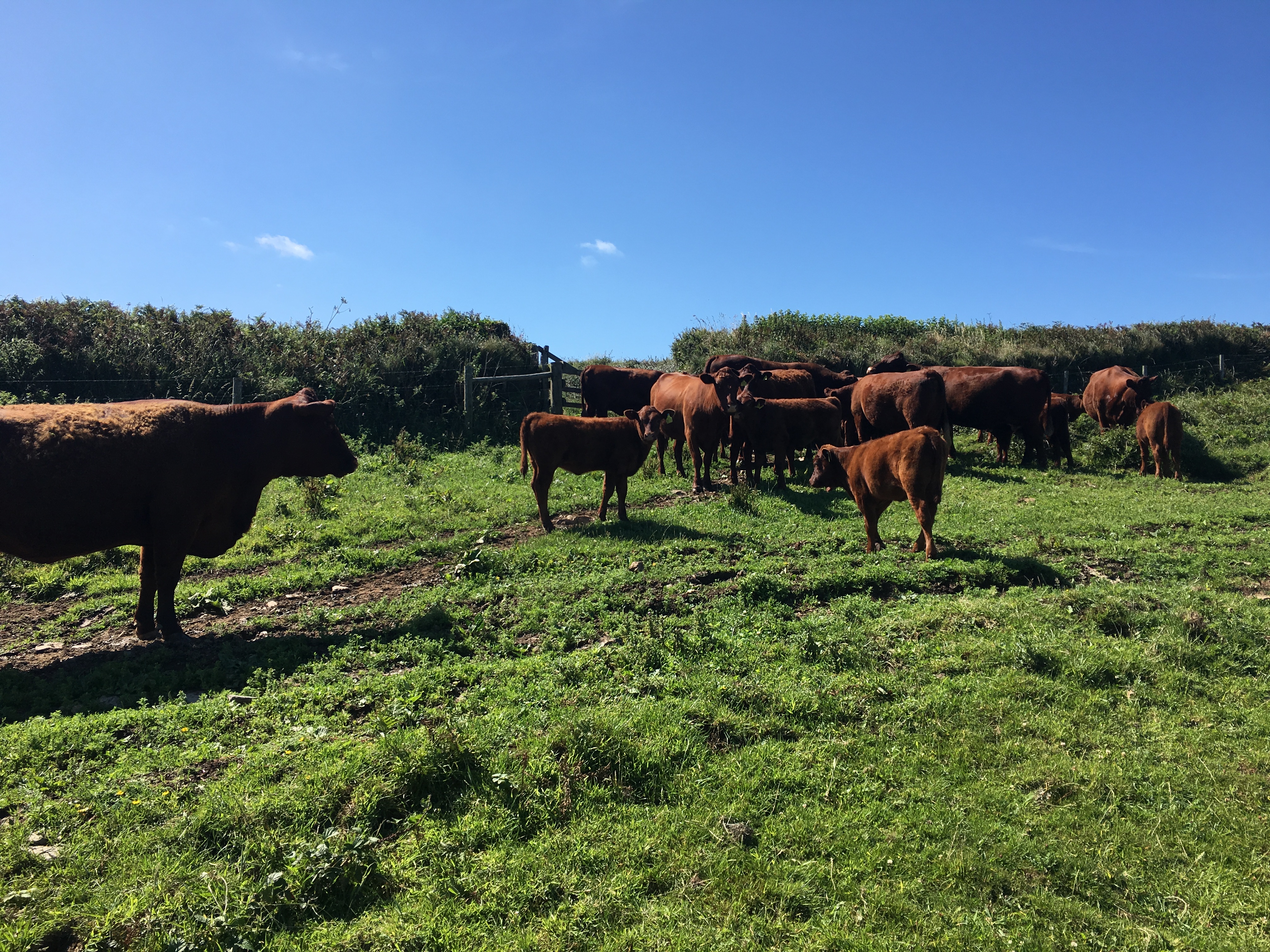
Cows! 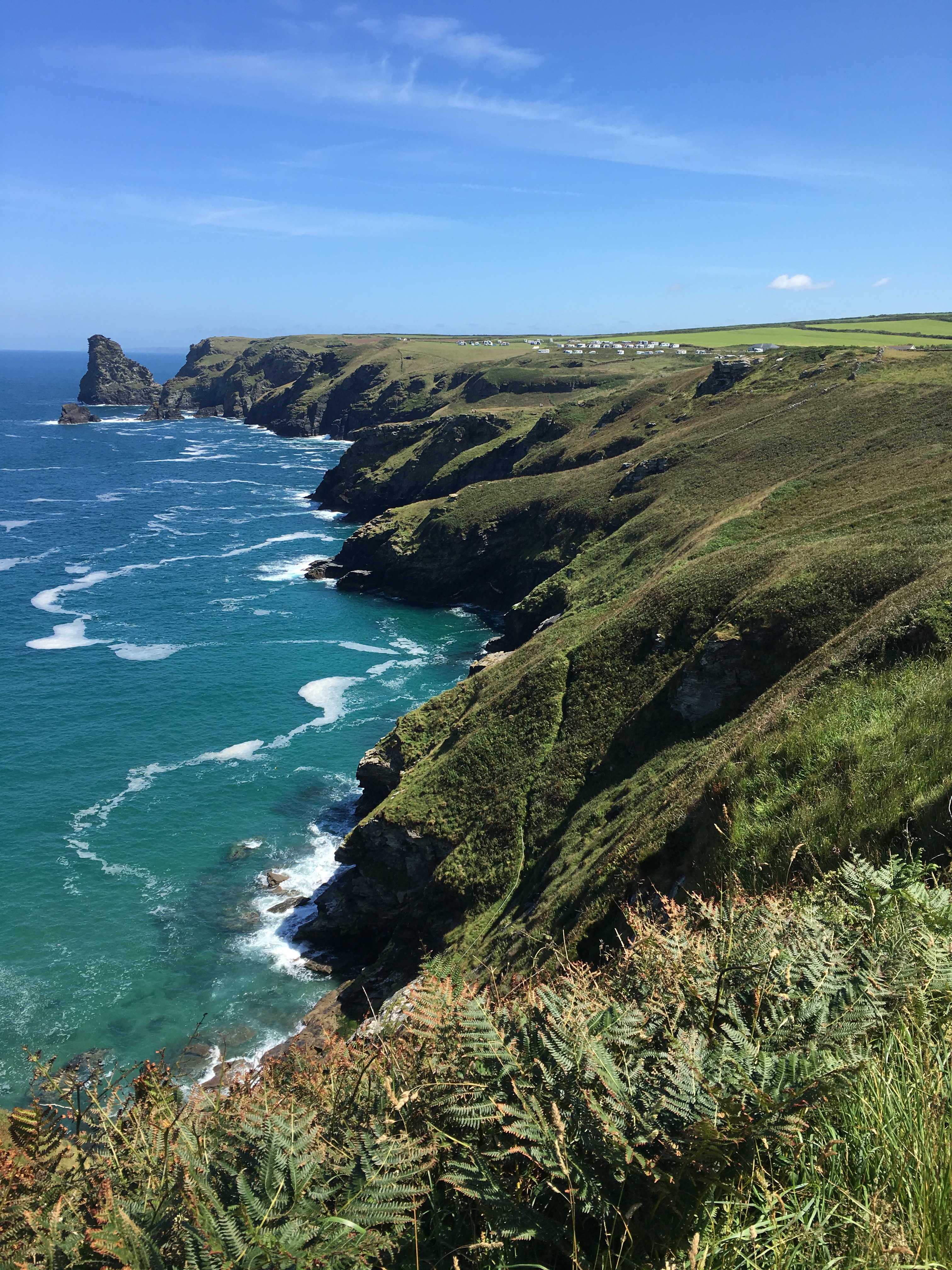
Looking backwards
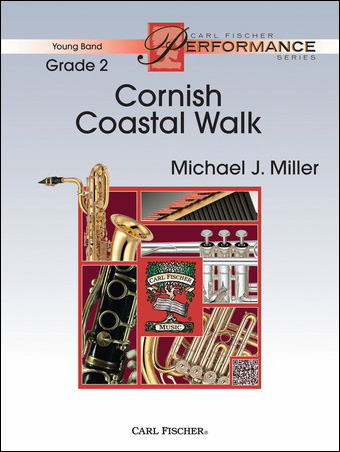
When I was asked by my editor at Carl Fischer Music to write a grade two piece for band, I thought immediately about this trek, and decided it would work well as the subject for this project. But what do the Cornish cliffs sound like? Well, thankfully Vivian had recently turned me on to Masterpiece’s remake of Poldark on P.B.S. The drama follows protagonist Ross Poldark through the trials of being an 18th-century soldier, coal miner, revolutionist, husband, and parliamentary gentlemen. It’s quite good and worth watching.
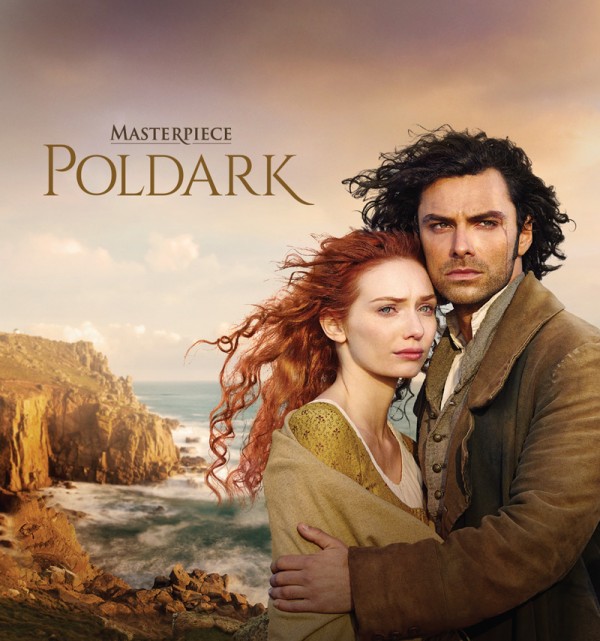
Upon beginning CORNISH COASTAL WALK, I thought about the theme music for “Poldark.” It’s romantic, slightly Celtic, and full of drama. I remembered the few times in the show when Ross and other characters crossed the English Channel to France, leaving their loved-ones to look out over the sea wondering if they would ever be reunited. I also recalled the second movement of Gustav Holst’s Second Suite for Military Band, a setting of the folk tune “I’ll Love my Love” in which a young woman is committed to an asylum by her lover’s parents and patiently awaits his return from sea.
Oh cruel were his parents
Second verse of folk song “I’ll Love My Love”
Who sent my love to sea
And cruel was the ship
That bore my love from me:
Yet I love his parents since they’re his
Although they’ve ruined me.
The opening theme bookends the composition. In the introduction it ends on a C minor chord as a half cadence in F minor. Here it’s purpose it to set a sorrowful mood. This theme returns in measure 79 again in C minor, but this time resolves via Picardy third ending on a triumphant C major chord. The piece wasn’t composed to tell a specific story, but if it did it would be in its final measure when the two long-lost characters are reunited.

The introduction closes with a rallentando and fermata before the low winds and percussion establish a minuet style dance (m. 13) over which the clarinets begin the primary theme (m. 17) and the flute, oboe, and alto sax finish (m. 25-32). The low winds are featured with the secondary theme (m. 33) during which the orchestration gradually thickens and builds before releasing tension into measure 41.
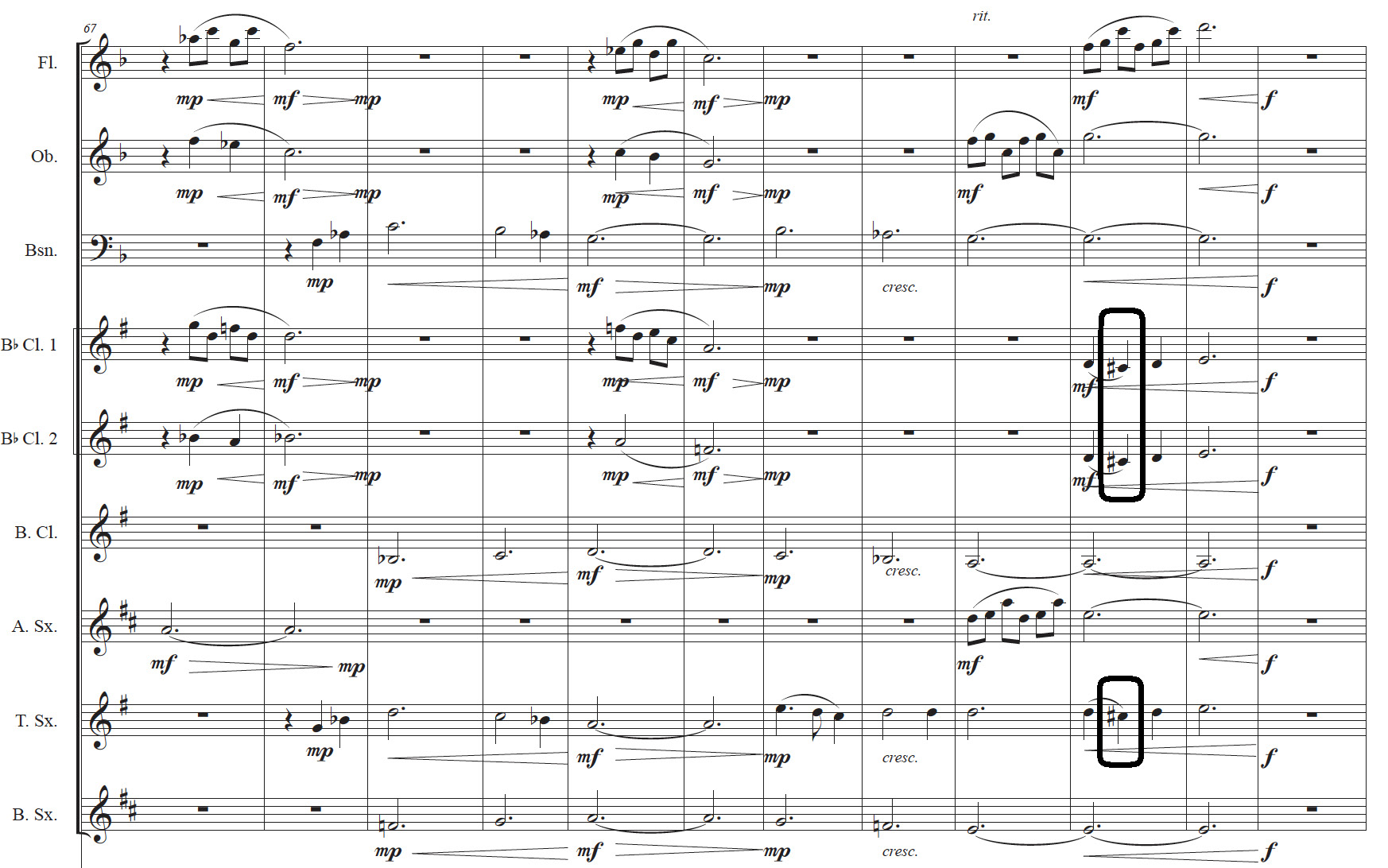
The primary theme is heard again beginning at measure 41, this time played by the flutes and oboe. Here there is a new countermelody played only by the tenor saxophone. Then, the second half of the primary theme is played by solo trumpet and accompanied by solo flute and clarinet (m. 49). The secondary theme is again played by the low voices beginning at measure 57, only this time it’s embellished by a few extra notes. The trumpets begin a development section at measure 65 which ultimate leads to a dramatic rallentando and crescendo before the conclusion of the work. The introduction of the concert B-natural accidental in measure 76 helps move the harmony through a modulation into the aforementioned reiteration of the introductory theme.
To acquire CORNISH COASTAL WALK, please visit Carl Fischer Music or the music distributer J.W. Pepper. For more about me, my music or to commission a new work please visit my website, Michael J. Miller Music L.L.C.

 Michael J. Miller, Composer